


Plasma Skin Regeneration Treatment: The Revolution in Non-Surgical Resurfacing
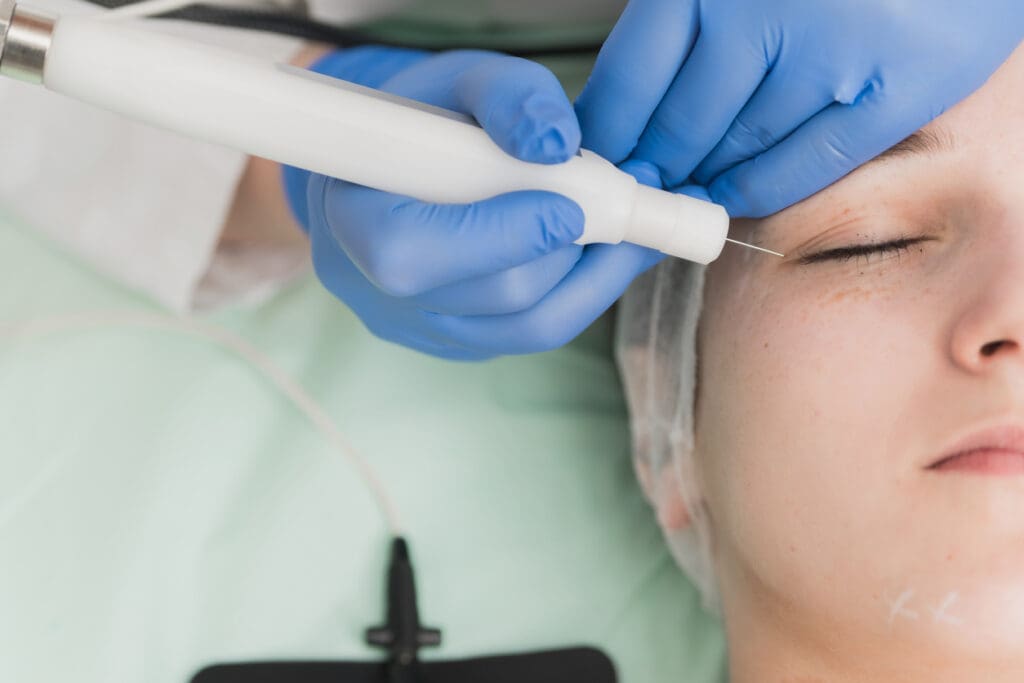
Plasma Skin regeneration is an innovative, controlled, revitalising treatment that harnesses the power of plasma energy, the same substance that the sun is composed of. Plasma skin regeneration treatment produces new, healthier skin by removing surface scars and blemishes, reducing lines and wrinkles, and enhancing skin tone and texture. It also removes pigmentation from sun damage, birthmarks, or ageing, improves stretch marks, and lifts and firms lax skin. It is often referred to as a non-invasive blepharoplasty and does wonders for those seeking detailed treatment. Plasma skin regeneration treatment can be carried out with precision due to the applicator needles being the same as those used in acupuncture. However, they do not come into direct contact with the skin. It is the only treatment recognised in the aesthetics industry for treating deep lines and wrinkles other than injectables.
What is the science behind plasma skin regeneration?
Plasma is often referred to as the fourth state of matter and is an ionised gas. In other words, the positive protons in the nucleus have no relation to the charged electrons they usually attract, yielding the ionised term. Nitrogen gas is inert and stable, and is converted into highly energised, activated plasma using a specialised device. The device delivers rapid, controlled pulses of this nitrogen plasma energy to the skin’s surface.
Plasma skin regeneration (PSR) treatment is a novel method of resurfacing the skin that utilises plasma energy to create a thermal effect on the skin. PSR differs from lasers, light sources, and ablative lasers in that the target is not different-coloured proteins in the skin (chromophore-dependent) and does not vaporise the skin tissue. When PSR is performed, a layer of intact, desiccated epidermis remains, acting as a natural biologic dressing that promotes faster wound healing and rapid recovery.
Crucially, this thermal action penetrates below the surface (into the dermis), where it stimulates fibroblasts—the cells responsible for producing collagen and elastin. The skin’s natural repair and regeneration mechanisms have been jump-started! This leads to the formation of new, healthy skin cells, increased collagen production, and deep tissue remodelling. This process improves skin firmness, texture and elasticity over time.
Microscopic studies of the skin tissue structure performed on plasma resurfacing patients have confirmed continued collagen production, reduction of elastosis, and progressive skin rejuvenation beyond one year after treatment.
What will I experience during treatment?
A patch test of a small area of the skin is essential. It is performed without the use of anaesthetic to ensure that you are comfortable with the treatment and to ensure suitability. This is priced at £70. During this visit, you will be fully informed about the treatment, and aftercare will be outlined.
Once the patch test treatment is fully healed, which typically takes 7 days (but can take up to 14 days), you can schedule your first full session.
What to Expect After My First Session?
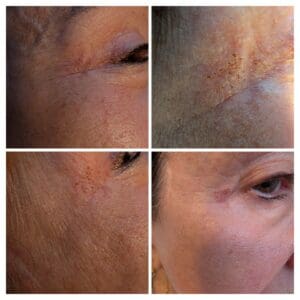
1-3 days post-procedure, there may be some swelling and the formation of small carbon dots at the treatment site. This is part of the standard healing mechanism of the skin, indicating that the therapy is efficiently regenerating the skin.
4-7 days post procedure, scab formation occurs as your skin begins the natural healing process. Protecting the new skin developing underneath the scab is essential, and it must not be picked or removed prematurely.
8-14 days post-procedure, the first phase of healing is complete as the scabs shed naturally, revealing new, rejuvenated skin underneath. Pink new skin gradually normalises to match your natural skin tone.
After 14-90 days, the skin cells will turn over, and the skin will undergo repair. The full extent of the results will be visible.
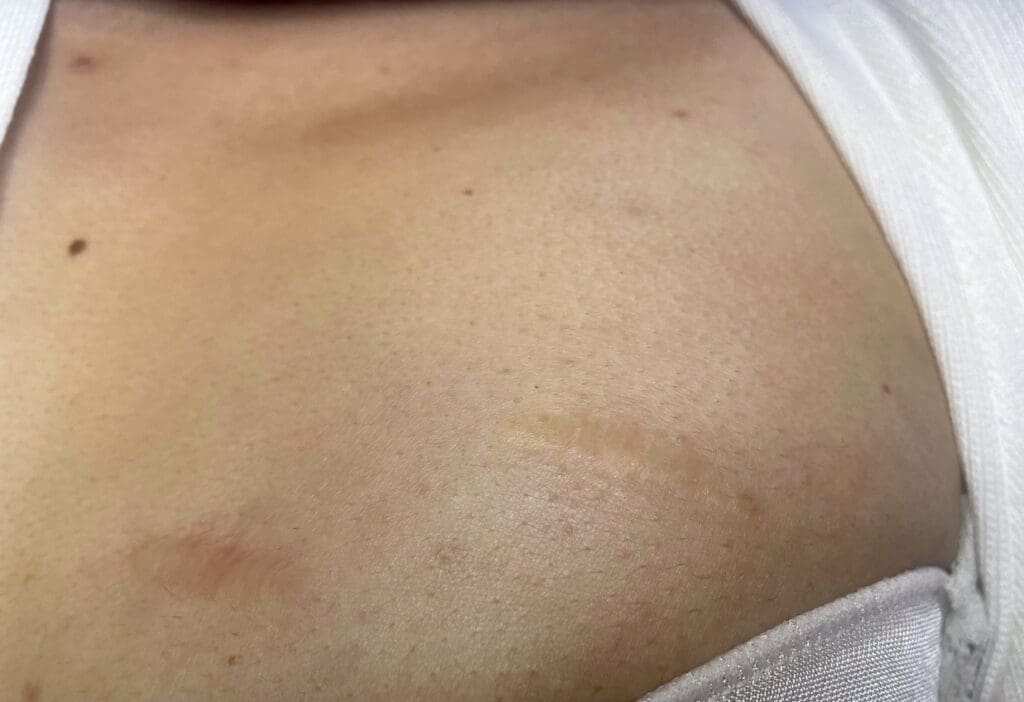
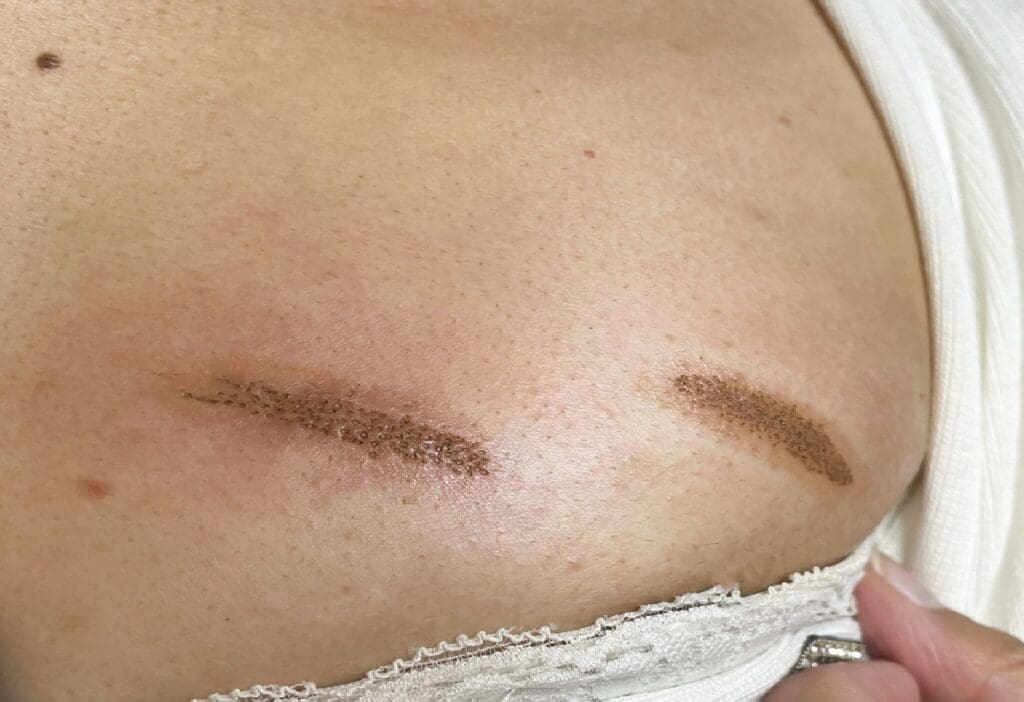
The treatment can be carried out at 3-month intervals (with a maximum of 3 sessions within a year).
How much does it cost?
You will be quoted accurately on consultation; prices start at £120 for a small area per session. There is a maximum area that can be treated in one session. This will be outlined at your treatment consultation.
If you have any questions or queries, please do not hesitate to contact us.